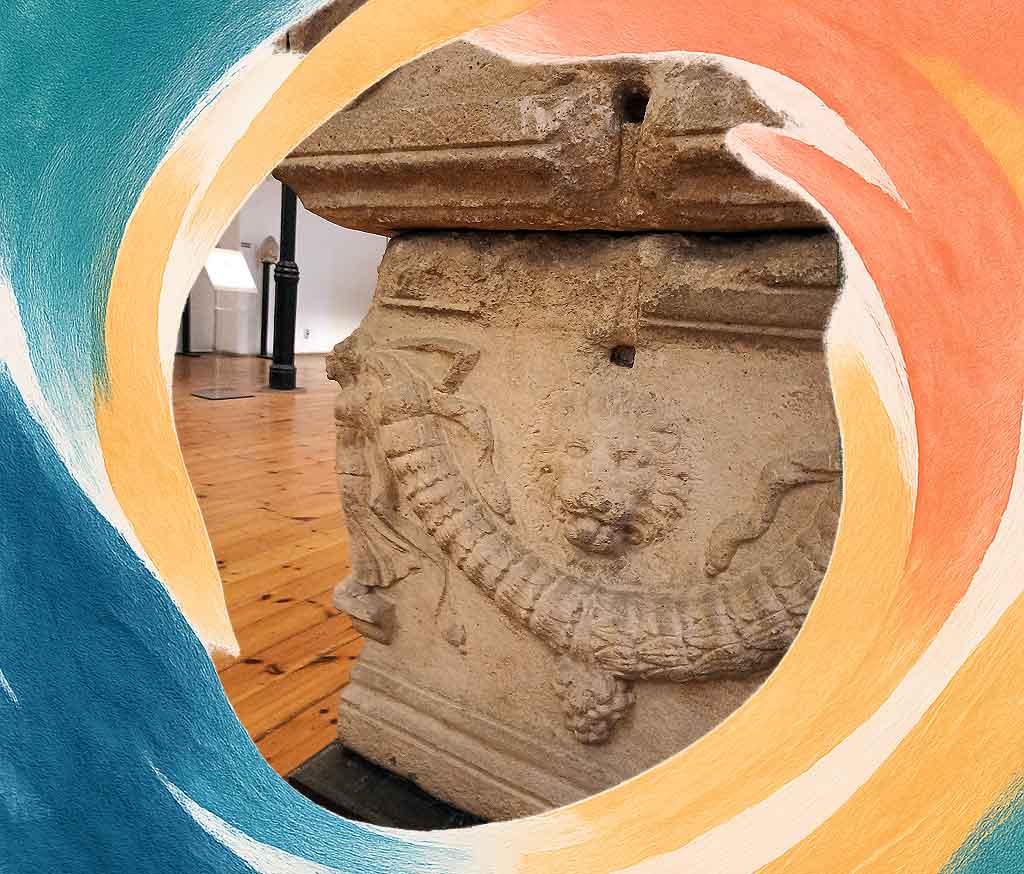
If you haven’t yet experienced The Long Night of Museums and Galleries in Bulgaria, prepare yourself for an extraordinary journey in 2026 that transcends the traditional museum visit or a casual stroll through an art gallery. This captivating event has gained immense popularity across Europe, and for many years. Bulgaria proudly participates in this remarkable cultural initiative. Traditionally held on the third Saturday of May, this special night sees thousands of museums worldwide opening their doors to curious visitors.
In 2025, the event took place on May 17th, offering a perfect opportunity to discover Bulgaria’s rich cultural landscape in a uniquely atmospheric setting. Check here what to expect from the program of the Night of Museums in Sofia, Varna, Plovdiv, Burgas, Veliko Tarnovo, and Ruse.
- What Is the Long Night of Museums and Galleries?
- What to Expect from the Long Night of Museums and Galleries in Bulgaria?
- Is It Nationwide or Local?
- Cities and Venues Taking Part in the Long Night of Museums in Bulgaria
- How to Make the Most of Your Night at Bulgaria’s Museums and Galleries?
- What to Bring and Wear
- How Late Does the Night of Museums and Galleries Last in Bulgaria?
- Are the Venues Closed During the Day Before the Event?
- FAQ About the Night of Museums in Bulgaria
- Useful Links for the Night of Museums in Bulgaria
Keep reading here to find out what exciting experiences await during this magical night in Bulgaria.
What Is the Long Night of Museums and Galleries?
The Long Night of Museums and Galleries is a one-of-a-kind cultural event where museums, galleries, and various cultural institutions extend their opening hours late into the night, inviting visitors to explore their treasures under the enchanting glow of twilight. The event is designed to attract new audiences, foster cultural appreciation, and showcase the hidden narratives within both renowned and lesser-known museums, galleries, and artistic spaces. Best of all, entry is free, allowing everyone to immerse themselves in art, history, and creativity without barriers.
Originating in Europe, The Long Night of Museums and Galleries quickly captivated audiences far beyond the continent, spreading to distant corners of the world, including countries like Argentina and the Philippines. In some regions, the event is also celebrated under the poetic name Nuit Blanche (White Night), emphasizing its dreamlike, after-hours allure. In Bulgaria it is known as “Нощ на музеите” and this is pronounced as “Nosht na muzeite” meaning The Night of Museums.
Whether you’re a seasoned art enthusiast or simply looking for an unforgettable cultural adventure, this event promises to transform the way you experience museums and galleries. Best of all, it makes the cultural life in the cities in Bulgaria much more vivid!
Mark your calendar for May and get ready to witness Bulgaria’s cultural heritage in a whole new light.
What to Expect from the Long Night of Museums and Galleries in Bulgaria?
Every year brings a fresh and dynamic program, ensuring that even returning visitors encounter something new. Country’s largest museums and galleries traditionally offer free entry for the night, but the event goes far beyond static exhibits. The evening unfolds as a festival of culture. It is featuring private galleries, immersive performances, live concerts, interactive workshops, and even outdoor installations. This is creating an electrifying atmosphere that turns the entire city into an open-air celebration of art and history.
What makes this night truly special is its ability to draw in people who might not typically visit museums or galleries. Many attendees later share how the unique energy of the event, buzzing with excitement, curiosity, and shared discovery, made their experience unforgettable. Even the long queues outside the most popular venues become part of the adventure, as the lively chatter and anticipation among the crowd add to the night’s infectious charm.
So, if you find yourself standing in line, don’t be discouraged, because the magic of The Long Night of Museums and Galleries isn’t confined to the exhibits inside. It’s in the laughter of strangers becoming friends, the thrill of uncovering hidden artistic gems, and the collective sense of wonder that fills the streets. Whether you’re a lifelong art lover or simply looking for a different kind of night out, this is an experience that promises to leave you inspired.
Is It Nationwide or Local?
For over two decades, The Long Night of Museums and Galleries has been a beloved cultural tradition in Bulgaria, eagerly anticipated by locals and visitors alike. This extraordinary evening transforms the country’s museums and galleries into vibrant hubs of exploration, where history, art, and creativity come alive under the night sky.
Sofia, as the capital, traditionally draws the largest crowds, thanks to its impressive concentration of national museums housing extraordinary artifacts: from ancient Thracian treasures and medieval manuscripts to masterpieces of Bulgarian and European art. Yet the magic of this night extends far beyond Sofia. Cities like Plovdiv, Varna, Burgas, Vidin, and Ruse also join in, opening the doors of their own galleries and museums, each offering a unique glimpse into Bulgaria’s rich cultural heritage. The atmosphere is always social, lively, and adventurous. It is ideal time and place to discover Bulgaria and Bulgarians.
Cities and Venues Taking Part in the Long Night of Museums in Bulgaria

The Long Night of Museums is a major cultural event celebrated across many Bulgarian cities. The specific program and list of participating venues can differ from year to year, ensuring each Long Night of Museums offers a unique and fresh cultural experience.
In Sofia
The capital, Sofia, centrally coordinates the nationwide program with its numerous participating venues. In Sofia, iconic institutions like the National Museum of History and the National Gallery take part. A lot of private galleries also stay open and organise special activities with various exhibitions and events.
This event transforms museums, galleries, and cultural sites nationwide into vibrant, nocturnal community spaces. As the event is dynamic, the lineup of museums and their special activities changes annually, so it is essential to consult the official program for the current year.
In Bulgaria
The city of Plovdiv, which was the European Capital of Culture in 2019, joins the Night with its Archaeological Museum and Roman sites.
Varna‘s Archaeological Museum and its art venues are key participants on the Black Sea coast. The city is rich in museums and the Night of the Museums is a warm up for the coming high season.
Burgas, another city on the black sea coast, engages visitors with its Regional History Museum and the captivating Aviation Museum.
In Ruse, the impressive City Art Gallery and the Historical Museum are central to the event.
Veliko Tarnovo traditionally showcases its rich history at the Tsarevets Fortress and the Archaeological Museum. Tsarevets becomes a magical place with performances or exhibitions. It is worth seeing it on this special night!
Stara Zagora‘s Regional History Museum and its unique Neolithic Dwellings are also open for the night.
Smaller cities like Gabrovo, with its Humor and Satir Museum, add a unique flair to the program.
Blagoevgrad‘s Regional History Museum participates, representing the southwestern region of the country.
Pleven‘s Historical Museum and its famous Panorama are also popular destinations for the cultural night.
The picturesque town of Kazanlak opens the renowned Thracian Tomb and Museum of the Rose for the occasion.
The cultural landscape of the event is never static. To discover which museums are taking part and what unique events they are hosting, always refer to the official guide for that specific year.
How to Make the Most of Your Night at Bulgaria’s Museums and Galleries?
Planning your evening for The Long Night of Museums and Galleries requires some strategy, especially if you’re in a major city like Sofia where the sheer number of participating venues makes it nearly impossible to see everything in one night. While the temptation to visit as many places as possible is strong, a well-thought-out approach will ensure you experience the best of what this magical night has to offer without feeling rushed. Start early and choose fewer venues.
Focus on smaller galleries if you’ve been to the big ones. Naturally, the most crowded venues tend to be those of national significance. In Sofia, this includes the National History Museum, the National Archaeological Museum, the National Art Gallery, and the Gallery for International Art. Similarly, in cities like Plovdiv and Varna, the largest and most renowned museums attract the biggest crowds. If you’ve never been inside these cultural landmarks, this is the perfect opportunity to explore them free of charge. However, if you’ve already visited them before, you might want to skip the long lines and instead focus on smaller, lesser-known galleries and museums, many of which prepare special programs, performances, or interactive exhibits exclusively for this night.
What to Bring and Wear
Note that while the venues offer free general admission, some may have paid sections. These can be such as temporary exhibitions, VIP events, or exclusive concerts or workshops. These might require a ticket or participation fee. Checking the program in advance will help you avoid surprises and decide whether certain experiences are worth the extra cost. Check programme in advance to avoid disappointment and in case you plan to join a paid event, bring cash and payment card.
Last but not least, no matter where you go, travel light. Usually galleries do not mind small backpacks or bags but in some cases they might require you to use the lockers.
Wear comfortable shoes because in some cases the waiting time outside to get in can be longer than the visit itself. For the evening strolls between galleries, you might want to have a light jacket. Month of May can have very warm and pleasant days but the nights can be chilly.
How Late Does the Night of Museums and Galleries Last in Bulgaria?
When we talk about a “long night” of culture, it’s natural to wonder just how long that night actually stretches! While many might assume the event runs from early evening (say, 7 or 8 PM) onward, the reality is a bit more nuanced. Paying close attention to opening hours is crucial for making the most of your experience.
Some galleries and museums may only extend their hours until 8 or 9 PM. This time, depending on your perspective, might feel more like late afternoon than true “nighttime.” Even this modest extension can be a significant change from their usual early closing times. It is offering visitors a rare opportunity to explore after regular hours. The heart of the event typically beats strongest from sunset until around midnight, with many major venues staying open late into the evening.
For those who crave even more, the cultural festivities don’t always end when the museums close, live performances, concerts, and after-parties often spill over into bars, clubs, or outdoor spaces, keeping the artistic energy alive well past midnight.
To ensure you don’t miss out on your must-see spots, keep an eye out for our guide detailing the 2025 Night of Museums and Galleries schedule, including confirmed venues in Sofia, Plovdiv, Varna, and other Bulgarian cities. With a little planning, you can craft an itinerary that lets you soak up every moment of this extraordinary night.
Are the Venues Closed During the Day Before the Event?
The excitement of the Night of Museums and Galleries casts its glow beyond just the evening itself, influencing the entire day’s rhythm at participating locations.
Some venues operate under their regular daytime hours and admission policies before switching to free entry for the event in the evening. This means that you could, in theory, visit twice in one day if you’re particularly eager! Others might offer free access all day long, treating visitors to extended hours of exploration.
Then there are the hidden gems, smaller, niche spaces or privately owned galleries that are usually closed to the public or accessible only by appointment. For these venues, the Night of Museums and Galleries might be your only chance all year to step inside and discover their unique exhibitions or collections. Sych places can be an artist’s studio This event transforms museums, galleries, and cultural sites nationwide into vibrant, nocturnal community spaces. As the event is dynamic, the lineup of museums and their special activities changes annually, so it is essential to consult the official program for the current year.normally off-limits, a historic building with limited access, or a pop-up installation created just for the occasion. These special openings add an extra layer of magic to the night.
The after-dark hours are undoubtedly the main attraction, but the event’s influence stretches far beyond sunset.
With a different selection of venues and one-time events every year, checking the specific, up-to-date program is highly recommended for anyone looking to participate and visit.
Whether you’re an early bird catching a daytime preview or a night owl chasing midnight art adventures, the Long Night of Museums and Galleries offers something extraordinary at every hour.
FAQ About the Night of Museums in Bulgaria
This is an annual international cultural initiative. During it dozens of museums, galleries, and cultural institutions open their doors for free or for a symbolic fee, offering a special program.
It usually takes place on one specific evening in May, often on a Saturday. The exact date is announced separately each year, so it’s important to follow the official sources.
The event takes place in many cities such as Sofia, Plovdiv, Varna, Burgas, Ruse, Veliko Tarnovo, Stara Zagora, etc. The program is organized on a local level.
The list of participants changes every year. The most up-to-date information is always found on the official website of the event or on the websites of the municipalities and cultural institutions. See the Useful Links section below.
The program is different every year and for every museum. It can include special exhibitions, free guided tours, lectures, workshops, performances, concerts, and interactive activities. Check the detailed program for each museum in the official schedule.
The event is suitable for all ages. Some museums may offer special programs for children, while others might be more interesting for adults. Check the description of each activity.
In most cases, entry is free for all participants. Some special activities or workshops may require prior registration or a small fee. Always check the conditions for your desired locations.
For the entrance to the museums themselves, it is usually not required. However, for very popular workshops, lectures, or special events, prior online registration may be necessary. Keep an eye on the websites for such information.
In smaller cities this might be possible. For the capital city of Sofia this is almost impossible. That’s because there are many museums, some lines are long and time is limited. It is recommended to choose 3-5 favourite museums that are within walking distance of each other.
Usually no but some municipalities can extend the operating hours of the public transport. This is especially valid for large cities such as Sofia or Plovdiv. Double check the official sources for the respective year. Their route map is published in the program booklet and online. In some of the larger cities, the organizers can provide special free bus lines that run on a route connecting the main points. For example, in 2024 in Sofia for the Night of Museums a retro bus line ran from the Polytechnic Museum, past the museums and galleries in the city centre, to the National Museum of History.
Approximately 30-60 minutes per museum, depending on its size and how crowded it is. If there is a special program (lecture, concert), the stay might be longer.
The most famous national museums and those with unique programs are usually the most crowded. If you want to visit them, it’s best to put them at the beginning of your route. Regional and smaller museums and galleries often offer equally interesting programs but with fewer people. In Sofia biggest crowds are at the Archaeological museum and the Art Gallery
The permission for photography varies. It is allowed in most places, but without a flash, and there might be a prohibition on photographing specific exhibits. Always ask at the museum’s front desk.
Check the opening hours for each museum or gallery you want to visit (not all are open all night). When there are many museums and art spaces open, make a list of “must-see” museums. Arrive early to avoid the biggest crowds. Whether you prefer to dive deep into history, lose yourself in contemporary art, or enjoy live performances in unexpected settings, a little planning will ensure your night is as enriching as it is unforgettable.
Useful Links for the Night of Museums in Bulgaria
Official website for the Night of Museums in Bulgaria: museumnight.bg
Search for “нощ на музеите” on social media (Facebook). Usually each municipality has its own Facebook [age, group or event related to activities
- Archive for 2017: night.bg/archive/17
- Archive for 2019: night.bg/archive/19
- Sofia, travel portal: visitsofia.bg
- Plovdiv, travel portal: visitplovdiv.com
- Varna, travel portal: visit.varna.bg
- Burgas, travel portal: gotoburgas.com
- Veliko Tarnovo, travel portal: velikoturnovo.info
- Ruse, travel portal: visitruse.bg
- Stara Zagora, travel portal: visitstarazagora.bg
The Night of Museums is about savoring the atmosphere, discovering hidden gems, and letting the spirit of the night guide you.
# Participating cities: Sofia, Plovdiv, Varna, Burgas, Veliko Tarnovo, Ruse, Stara Zagora, # Key venues: National Museum of History, National Archaeological Museum, Tsarevets Fortress, Archaeological Museum Plovdiv, # Event details: free entry, cultural event, open late, special program, exhibitions, live concerts, workshops, performances, # Concepts: cultural tourism Bulgaria, things to do in Bulgaria in May, art galleries Bulgaria, nightlife culture