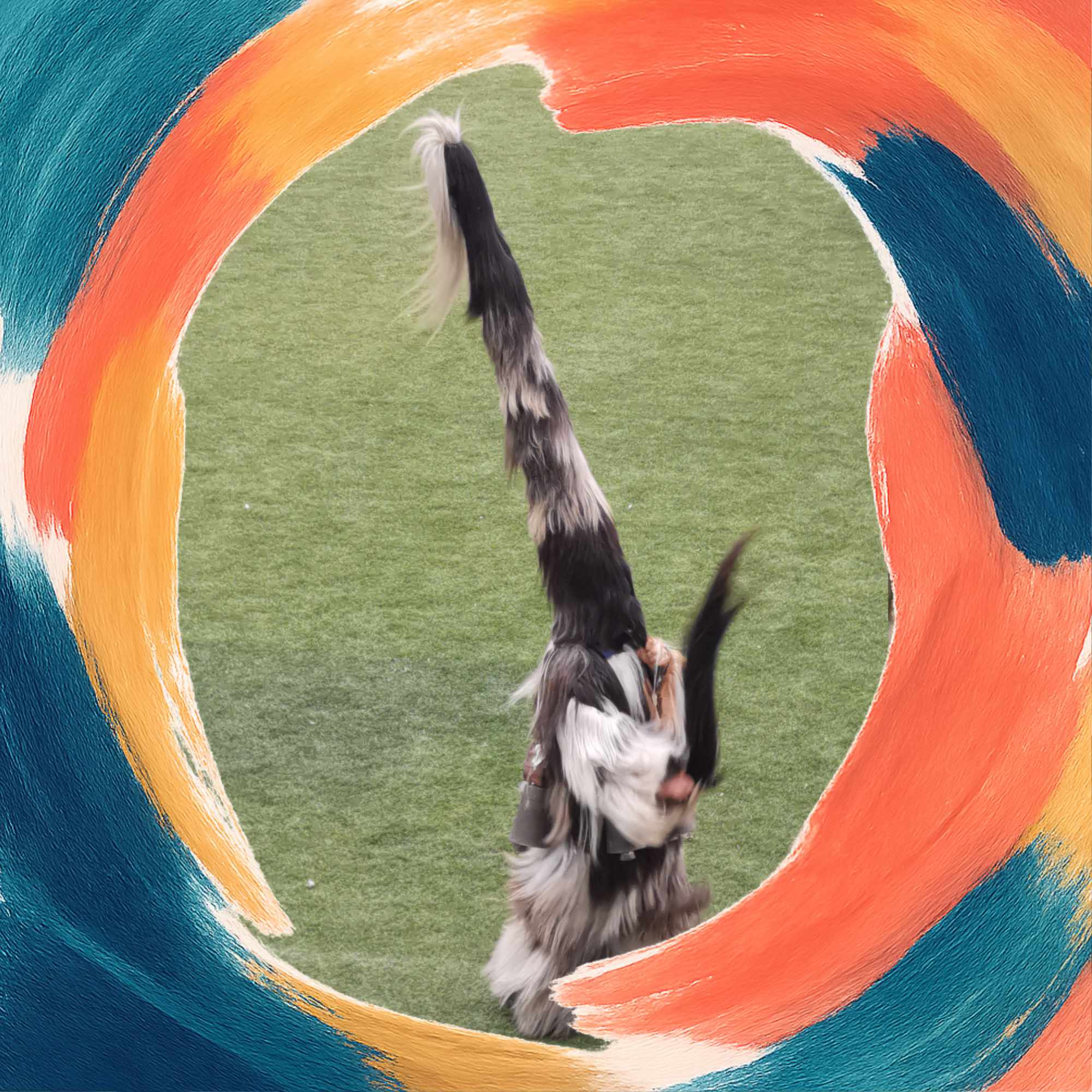
Have you ever wondered where ancient magic still dances in the streets? Where the air vibrates with the thunder of bells and the line between our world and the spirit realm blurs in a spectacle of fur, fire, and folklore? Pack your sense of wonder and join me on a journey to Bulgaria, where every year, winter is quite literally scared away by the awe-inspiring Kukeri.
Kukeri a living, breathing, thunderous ritual that has echoed through the Balkans for millennia. It’s a travel experience that goes beyond sightseeing, plunging you directly into the pagan heart of Europe, where communities come together in a vibrant, chaotic, and profoundly meaningful celebration of life, death, and rebirth.
- The Grand Performance: When
- Where to See Kukeri
- What is it Like
- What to Wear
- The Deep Symbolism of the Kukeri
- The Masks and Costumes
- The Characters: A Village in Miniature
- The Storyline
- A Living Tradition: UNESCO
- Can You Join as a Kuker?
The Grand Performance: When
From the first days of January until Sirni Zagovezni (the Sunday before Lent begins), villages across Bulgaria transform into open-air theatres. This is when the Kukeri take to the streets. Imagine the scene: groups of men, and increasingly women, clad in elaborate costumes made of animal furs, their faces hidden behind grotesque, towering masks adorned with feathers, horns, and shiny trinkets. Tied around their waists are heavy copper or bronze bells (chanove) that weigh up to two kilograms each.
Their movement is not a gentle walk but a primal, rhythmic stomp. With each jump and shake, the bells produce a deafening, percussive roar—a sonic weapon designed to cleanse the world of malevolence. The sound is meant to travel great distances, reaching the ears of evil spirits and warning them to flee.
At the center of the village, a great ritual fire is lit. The belief is simple and powerful: the larger the fire, the greater its purifying power. The Kukeri dance around these flames, their terrifying silhouettes flickering against the inferno, their bells clanging in a symphony of chaos. It’s a sensory overload in the best possible way, a performance you feel in your bones. Prepare for Bells, Masks, and Ancestral Spirits.
Where to See Kukeri
The Kukeri tradition does not have one specific date and place. Villages across Bulgaria transform into open-air theaters. The Best Places to Witness the Magic of the Kukeri are:
Pernik (The International Festival of Masquerade Games)
Specifics: This is the largest and most famous masquerade festival in the Balkans, a UNESCO-listed event. Don’t expect a single village ritual; it’s a grand, multi-day spectacle where hundreds of groups from across Bulgaria and other countries parade in a stadium and through the city streets. It’s the best place to see an incredible variety of styles and elaborate, competition-level costumes in one place.
Sofia
While Sofia, Bulgaria’s vibrant capital, may not have the deep-rooted Kukeri traditions of the small villages, it proudly serves as the stage for their powerful prelude. To build excitement for the legendary International Festival of Surva in Pernik, the city hosts thrilling Kukeri demonstrations. These electrifying previews typically bring the paths of Borisova Garden to life on a weekend in January, offering a spectacular taste of the magic just before the main event unfolds in Pernik.
Razlog and the surrounding villages
The tradition here is exceptionally strong and authentic. The town hosts a major regional festival, but the surrounding villages like Banya, Eleshnitsa, and Dobarsko hold their own unique rituals. Look for the specific “Dzhamalari” groups, known for their massive, animal-like masks representing the “Dzhamal” (a camel or mythical beast), which are central to the local custom. If you are skiing in Bansko, the villages in the area like Razlog, can offer great sights and atmosphere during their Kukeri celebrations.
Shiroka Laka, Rhodope Mountains
This is a visually stunning location. The Kukeri (locally called “Startzi” – the Elders) parade through the picturesque cobblestone streets of this architectural reserve with its unique Rhodopean houses. Their costumes are distinct, often featuring white woolen costumes and masks with elaborate geometric designs and colorful pom-poms, offering a different aesthetic from the fur-clad Kukeri of Western Bulgaria.
Yambol and Southeastern Villages (Balgari, Kabile)
This region is famous for its unique “Bride and Groom” tradition. Here, the central figures are a “Bride” (a man dressed in a bridal costume) and a “Groom.” The ritual is highly theatrical, focusing on a symbolic wedding, abduction of the bride, and a comical fight, all intended to promote fertility and marital happiness.
Strandzha Mountain (Zheravna, Bulgari)
The Strandzha region has its own unique name for the custom: “Kukeri” or “Kukeri.” The rituals here are deeply mystical and are often performed on St. Theodore’s Day (Todorovden) in early spring. The masks and costumes incorporate specific local symbols and the rituals are closely tied to the unique nature and beliefs of this mystical mountain.
Pamporovo, Rhodope Mountains
While a major ski resort, Pamporovo and the nearby town of Smolyan actively organize Kukeri festivals to showcase Rhodopean traditions. This is a very accessible option for tourists already in the mountains. The costumes are typically the white-furred “Startzi” type, and the atmosphere is festive and welcoming to visitors.
Veliko Tarnovo
The historic capital hosts a significant national Kukeri festival. While not as colossal as Pernik, it attracts top-tier groups from all over the country. The spectacular backdrop of the Tsarevets Fortress and the old city provides a dramatic and unforgettable setting for the parade of masks and bells.

What is it Like
Groups of men, and increasingly women, clad in elaborate costumes made of animal furs, their faces hidden behind grotesque, towering masks adorned with feathers, horns, and shiny trinkets.
Tied around their waists are heavy copper or bronze bells (chanove) that weigh up to two kilograms each. Their movement is a primal, rhythmic stomp. With each jump and shake, the bells produce a deafening, percussive roar. This sound weapon is designed to cleanse the world of malevolence. The sound is meant to travel great distances, reaching the ears of evil spirits and warning them to flee.
At the center of the village, a great ritual fire is lit. The belief is simple and powerful: the larger the fire, the greater its purifying power. The Kukeri dance around these flames, their terrifying silhouettes flickering against the inferno, their bells clanging in a symphony of chaos. It’s a sensory overload in the best possible way. This is a performance you feel in your bones.
What to Wear
The Kukeri performers wear natural materials and costumes made from animal fur, skin, wool, that can weight quite a lot. But what about the usual visitors of the Kukeri performances? Be sure to wear warm and comfortable clothes and shoes.
The Kukeri happenings are usually in the peak of the winter days in January or February. The climate changes, indeed, but still… be ready to be freezing cold outside on the squares and stadiums that host the Kukeri performances in the towns and villages.
Check the weather forecast and don’t forget that you’ll be standing outside for hours in the late winter cold. Dress warmly.

The Deep Symbolism of the Kukeri
To dismiss the Kukeri as simply “men in costumes” is to miss the entire point. This is a deeply symbolic ritual with roots stretching back to the ancient Thracians. They inhabited large lands of the present day Bulgaria and the Balkan peninsula and they worshipped Dionysus, the god of wine, ecstasy, and rebirth. The Kukeri tradition is a direct descendant of those ancient Dionysian rites, a pagan prayer for fertility and prosperity performed before the spring awakening.
As a traveler immersed in the vibrant, pagan energy of the Kukeri ritual, it’s fascinating to consider its relationship with the established religious institution of the country: the Bulgarian Orthodox Church. This relationship is complex and, at times, contentious, representing a fascinating clash between ancient folk tradition and organized religion.
The Bulgarian Church’s official position on the Kukeri is unequivocal: it disapproves. It views views the Kukeri not as folklore, but as an “pagan mystery cult”. From a theological standpoint, the Kukeri tradition is seen as a direct holdover from pre-Christian, “pagan” times, a practice that, at its core, involves invoking forces and performing rituals that lie outside the Orthodox Christian doctrine.
This tension is sometimes visibly enacted within the Kukeri rituals themselves. A common character in many troupes is the “Priest” (or sometimes a “Hodja”). This figure, often dressed in parody vestments, with a fake beard and an improvised clerical cap, performs mock ceremonies, deepening the divide between the institution (Bulgarian Orthodox Church) and the people’s tradition.
The Masks and Costumes
The mask is the soul of the Kuker. Most are constructed from a wooden frame, then painstakingly decorated with colorful threads, patches of fabric, mirrors, sequins, and beads. The primary goal is not beauty but terror. The mask must be as ugly and frightening as possible to effectively scare away evil.
Some of the oldest masks represent animals like rams, goats, and bulls, sacred creatures in antiquity. Some masks are even more profound, featuring two faces: one with a straight nose and a kind expression, the other with a hooked nose and a sinister grimace. This duality is a powerful symbol of the inseparable coexistence of good and evil in the world.
The colors are also deeply symbolic:
- Red dominates, representing fertility, the renewing force of nature, the sun, and fire.
- Black embodies the earth and its mother goddess.
- White is a symbol of water and light.
Small mirrors are sometimes embedded in the masks, believed to reflect and banish evil spirits on the spot. In modern times the decoration can be modern too, as well as the paintings, the glue and the materials to reflect the products that are available on the market and suitable for the needs of the handy craftsmen.
When you visit, talk to the locals. They often have incredible stories about the meaning behind specific masks and characters. Just remember, this is a deep cultural ritual, not just a show. Be respectful of the performers and their space.

The Characters: A Village in Miniature
When attending a Kukeri, you will notice that the troupe is a structured performance with specific roles, a travelling village with a sacred purpose. But how is who in this festival?
The key characters include:
The Tsar (King): The central figure, often the most respected man. He is the one who will perform the ritual plowing and sowing.
The Bride & Groom: In a fascinating role-reversal common in Eastern Bulgaria, these are often men dressed as a bridal couple, symbolizing union and fertility. The man is dressed as the bride and the woman is the groom.
The Grandma & Grandpa: Representing the cycle of life and the wisdom of ancestors.
Other Characters: A priest (often parodied), tax collectors, a gypsy, and a barber who comically chases spectators.
Traditionally, in the past, in some region these roles were performed only by unmarried men, with a single married man as the leader, a respected householder, often one with his first male child or a father of twins, to ensure the year’s fertility. On the other hand, in some regions in the country, the leader of the band should be married and his wife is expected to be part of the performances.
The Storyline
The Kukeri tradition in the small villages begin by visiting every single house in the village. They enter with loud blessings for health, fertility, and prosperity, driving any lurking negativity from the home. In return, the homeowners gift them with food. Inside the homes, the Kukeri might perform comic skits, mock household chores, or playfully cause mischief, all to the delight and laughter of the family.
The entire village then gathers in the main square. Here, the drama reaches its climax. A feast is laid out for the Tsar, who eats and drinks (usually wine), toasting to health and abundance. Then, the sacred agricultural work begins. Two Kukeri are yoked to a plow. The Tsar drives them, ritually plowing three furrows in a circle and sowing them with grain. This act of symbolic sowing is crucial for ensuring a rich harvest.
But the ritual goes even deeper. In a shocking turn, the Tsar is symbolically “killed” by another Kuker, often with a weaving loom shuttle. Yet, death is not the end. The other Kukeri gather over him, and through their powerful magic, he is resurrected! Simultaneously, the Bride might “give birth” to a child.
This is usually performed as an entire sequence: the death and rebirth of the King, and the birth of a child. It is a powerful metaphor for the eternal cycle of nature. The old year must die for the new to be born, and life always triumphs.
In modern days the Kukeri sometimes feature events and characters from the Bulgarian political and lifestyle landscape. What and who to represent is up to the Kukeri troupes and the people who prepare their show. After all, Kukeri is a living tradition and it evolves and adapts.
A Living Tradition: UNESCO
While the Kukeri tradition was once banned during times of war, pandemics and political upheaval, it has not only survived but thrived.
Today, it is a beloved national celebration, and its most spectacular showcase is the Surva International Festival of Masquerade Games in Pernik (Сурва). This incredible event, recognized by UNESCO as part of the Intangible Cultural Heritage of Humanity, draws thousands of participants and spectators from across Bulgaria and the world. It’s a breathtaking, days-long carnival where you can witness the stunning regional variations of costumes and rituals in one place.
Can You Join as a Kuker?
In many villages, you don’t need to be a local; enthusiastic visitors are sometimes welcomed after coordinating with the group’s leader. The most important step is to seek permission and guidance from the leader of a specific Kukeri troupe, as each community has its own customs.
Some of the most dedicated troupes prepare for months, so simply showing up on the day and expecting to join might not be possible.
While the Kukeri tradition was historically reserved for unmarried men, the rules have significantly relaxed in modern times. Today, the primary requirement to join a Kukeri group is often a genuine passion for the tradition and a willingness to participate no matter the gender and the age. The spirit of the Kukeri is one of community, and many groups are embracing a more inclusive approach while still respecting the core of the tradition.
While not everyone can spontaneously become a Kuker, everyone is absolutely encouraged to be a spectator and immerse themselves in the festive energy. The key is respect. Performers are often more open to those who show a sincere interest in preserving and honouring the ritual’s meaning, as well as their efforts to recreate the tradition.
For a visitor, the best way to get involved is often to connect with a local cultural center or tourism office in the region beforehand. Smaller villages are more open and authentic, larger events such as those in Sofia or Pernik are big in terms of audience and theatrical performances, but the distance between the troupes and the people is taking away the real magic of the Kukeri.
If you hear the deep, resonant clang of bells on a cold Bulgarian winter day, follow the sound. You might just find yourself at the heart of a magic that is very, very real. Don’t be shy. Get close, feel the bells, and let yourself be swept up in the energy. are a living testament to the idea that through noise, color, and collective will, we can shape our own fortune.