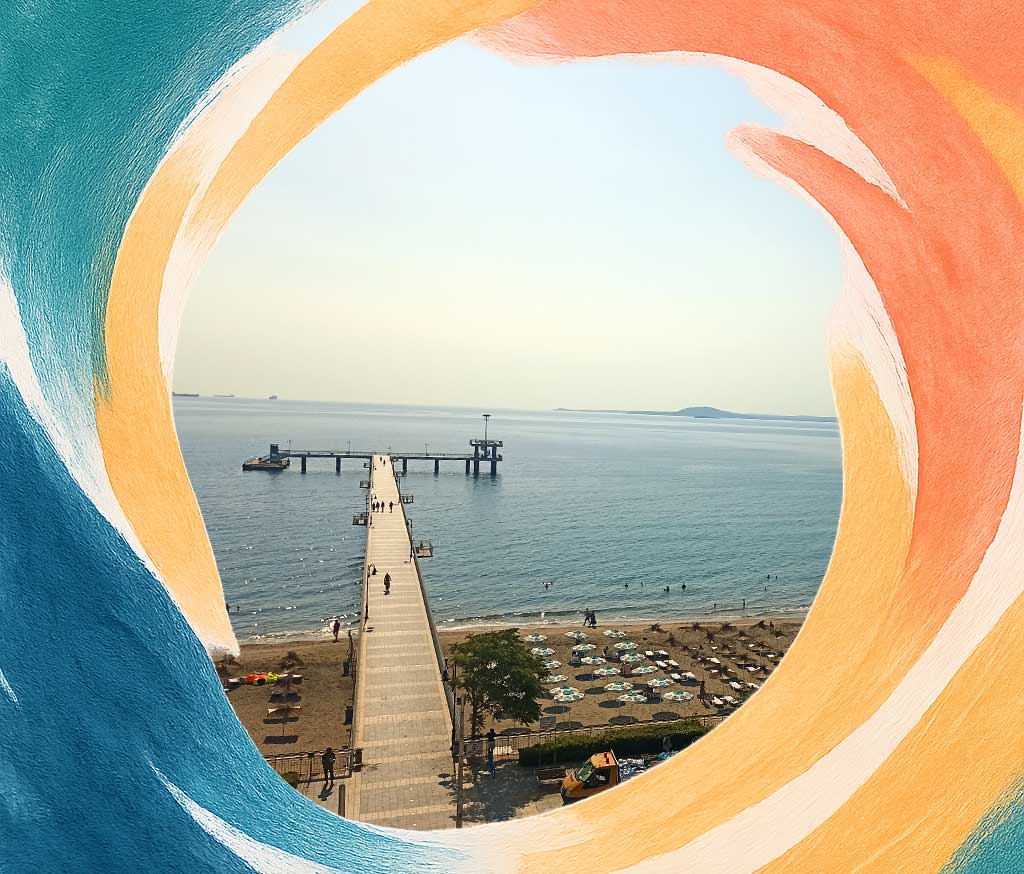
Burgas may not be the first name that springs to mind when dreaming of beach getaways in Bulgaria, but this coastal city is quietly redefining its image. Set between the Black Sea and a constellation of tranquil lakes, Burgas unfolds with a charm that’s equal parts urban edge and seaside calm. The coastline here isn’t just one long strip of sand, it’s a mosaic of beach zones, each with its own atmosphere and rhythm. Among the most notable are the central Burgas Beach, the Sarafovo and Kraymorie neighborhoods, the low-key Chengene Skele area, and the more remote Rosenets Park, home to both pine woods and the city’s oil port.
Traditionally, Burgas has been better known for its industry than its sunbeds. The city’s economic heartbeat has long been tied to its oil refinery, shipyard, and cargo port, hardworking engines that rarely align with holiday brochures. Meanwhile, coastal gems like Sozopol and Nessebar just down the shore have long drawn the bulk of the summer crowd. And yet, times are changing. As these once-quaint towns become increasingly saturated with construction and tourists, their authenticity has started to fray. Sunny Beach, for its part, has found a niche as a party hotspot, beloved by budget travelers chasing cheap thrills and round-the-clock nightlife. But for those seeking something quieter, cleaner, and perhaps a little more genuine, Burgas is starting to look like a real contender.
If you’re looking for a fresh alternative to the crowded and commercialized resorts further north, Burgas has a few surprises in store. Its beach spots are not only less hectic but also far more budget-friendly, ideal for travelers who value both atmosphere and affordability.
- Burgas City Beaches
- North Beaches
- Sarafovo Beach
- Kraymorie Beach
- Chengene Skele Beach
- Otmanli (Rosenets) Park
- Honorable Mentions
Burgas City Beaches
Getting there is simple. You can easily walk from the city center through the Sea Garden or take public transport. If you’re arriving by car, keep in mind that vehicle access through the Sea Garden is restricted. Parking lots are available nearby, but be ready for a short walk through leafy parkland to reach the shore.
Burgas Beach is a long, golden ribbon that stretches out along the city’s eastern edge, a surprisingly expansive and laid-back escape just steps from the urban core. Around two kilometers of its length are covered in soft, fine sand, perfect for lounging under the sun, kicking around a beach ball with friends, or watching kids sculpt ambitious sandcastles. It’s the kind of place where you can just throw down a towel and feel instantly on vacation, even if you’re only on a weekend break. The beach isn’t just long, it’s varied. As you stroll down the shore, the landscape subtly shifts into different moods and micro-destinations.
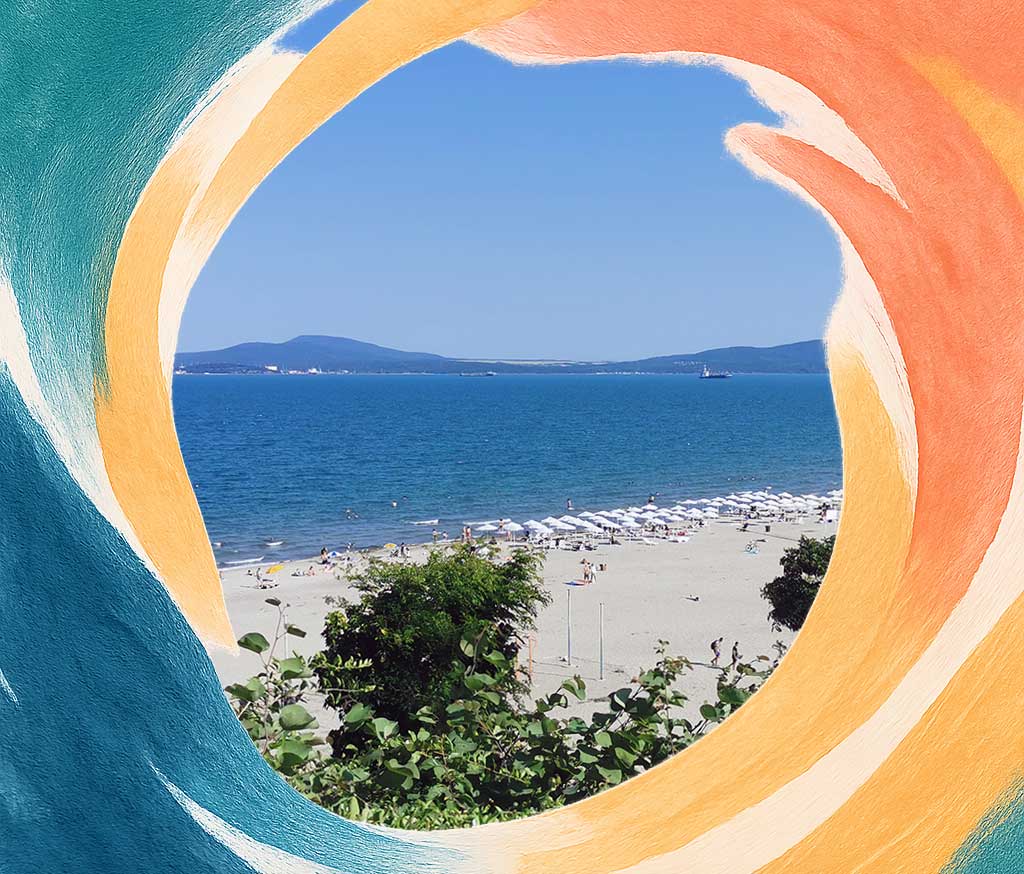
The Central Beach, closest to the heart of the city, hums with the gentle rhythm of maritime life. Just beyond the Sea Garden, you’ll find yourself face-to-face with the harbor, where ships come and go against a backdrop of cranes and distant port activity, a unique mix of seascape and industry that somehow works.
Right beside Central Beach is Mosta Beach, reached via elegant stairways leading down from the historic Casino building. During the summer months, a small stage pops up here, turning this part of the coastline into a cultural hub with concerts, festivals, and open-air performances that add a special flair to the beachgoing experience.
As you continue along the promenade, more pocket-sized beaches appear near landmarks like the Summer Theater and the Pantheon. Each of these spots has its own loyal visitors and a character shaped as much by the neighboring parkland as by the sand and surf.
One of the most intriguing stops along the way is Bunkera Beach. Here, the remnants of WWII-era bunkers stand like silent sentinels among the dunes. Originally built by German troops in the 1940s, they were intended to defend against a possible Soviet invasion. Later, during the socialist era, they were maintained as military posts amid Cold War tensions. Today, they’re more of a curiosity than a threat, perfect for a moody photo or a scenic perch to watch the waves roll in.
Framing the entire stretch is the lush and lively Burgas Sea Garden. This two-kilometer green belt offers shady paths, charming cafes, children’s play areas, and the occasional sculpture or art installation. It’s not just a park, it’s a vital part of Burgas life, and it gives the beach a soul that’s as cultured as it is coastal. Whether you’re heading for the sand or just out for a sunset stroll, it’s all part of the experience.
North Beaches
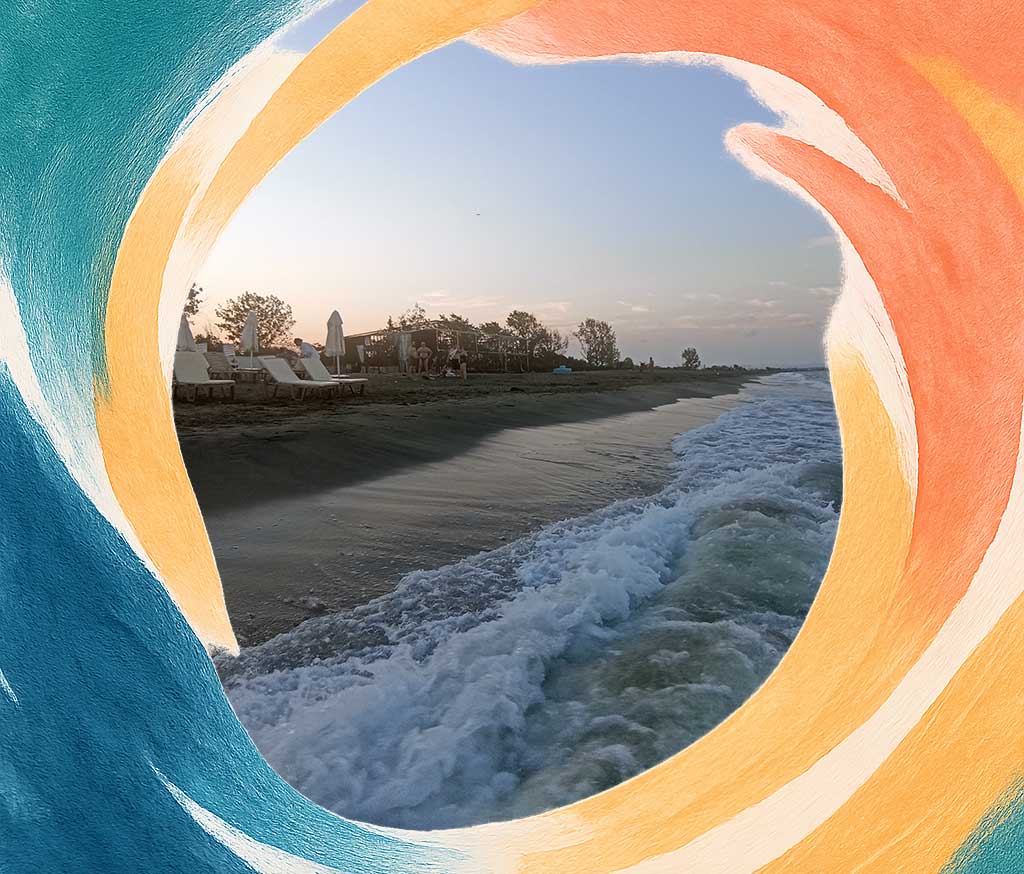
Head just a bit north of the city center, and you’ll discover a different side of Burgas’ coastline: quieter, sportier, and infused with a natural energy that feels worlds away from the bustle of the Central Beach. This is North Beach, a long and inviting stretch tucked between the endless blue of the Black Sea and the shimmering surface of Atanasovsko Lake.
Getting here is just as easy as reaching the central sands, public transport is available, and if you’re driving, there are parking areas nearby, though access through the park zone might be restricted. Once you’re there, the space opens up into a vibrant, multifaceted beachscape.
North Beach is a favorite among active beachgoers, especially those into kitesurfing and other water sports. Designated areas make it easy for beginners and pros alike to catch the wind and waves. But there’s more to this stretch than adrenaline and adventure.
One of its most fascinating features is the sand itself, often deep gray or nearly black in color, thanks to high concentrations of iron, manganese, and magnesium. It warms up quickly under the sun and has long been prized for its therapeutic benefits. Locals swear by its healing touch, and walking barefoot across it somehow feels like a spa treatment all on its own.
Toward one end of the beach is Kapanite, an area known not just for sunbathing but also for satisfying seaside cravings. Lined with casual eateries and cozy seafood spots, it’s the perfect place to pause for grilled fish, a chilled beer, or just a shady seat with a view.
On the opposite end, things get a bit more tranquil and a bit more intriguing. This is where you’ll find the Burgas Salt Pans Beach, a serene and slightly off-the-beaten-path haven famed for its mineral-rich healing mud. Here, you can immerse yourself (quite literally) in shallow pools of therapeutic sludge. Managed by a private operator, these open-air mud baths come with a modest entrance fee, but the experience is anything but ordinary.
The mud itself is nature’s own elixir: dense, dark, and rich in nutrients and minerals that have accumulated over millennia. Formed from the slow decomposition of algae, tiny organisms, and marine life, this substance is as scientific as it is sacred. Just one centimeter of mud takes a full year to form, and its benefits are as layered as its history.
Once applied to the skin, the mud begins to work its magic: relaxing muscles, easing joint pain, boosting circulation, and rejuvenating tired skin. It’s known to treat everything from arthritis and skin conditions to nerve inflammation and gynecological issues. And even if you’re just here for the beauty boost, you’ll walk away with skin that feels smoother, softer, and maybe even a little sun-kissed.
What makes North Beach so special is its balance. It’s clean, well-equipped, and family-friendly, yet offers so many ways to personalize your beach day. Shallow, gentle waters make it ideal for kids, while amenities like umbrellas, sunbeds, showers, and beach bars mean comfort is never far away. And whether you’re chasing a volleyball, flying across the water on a kiteboard, or simply lounging with mud on your skin and salt in your hair, there’s a little something for everyone here, just as any good beach should have.
Sarafovo Beach
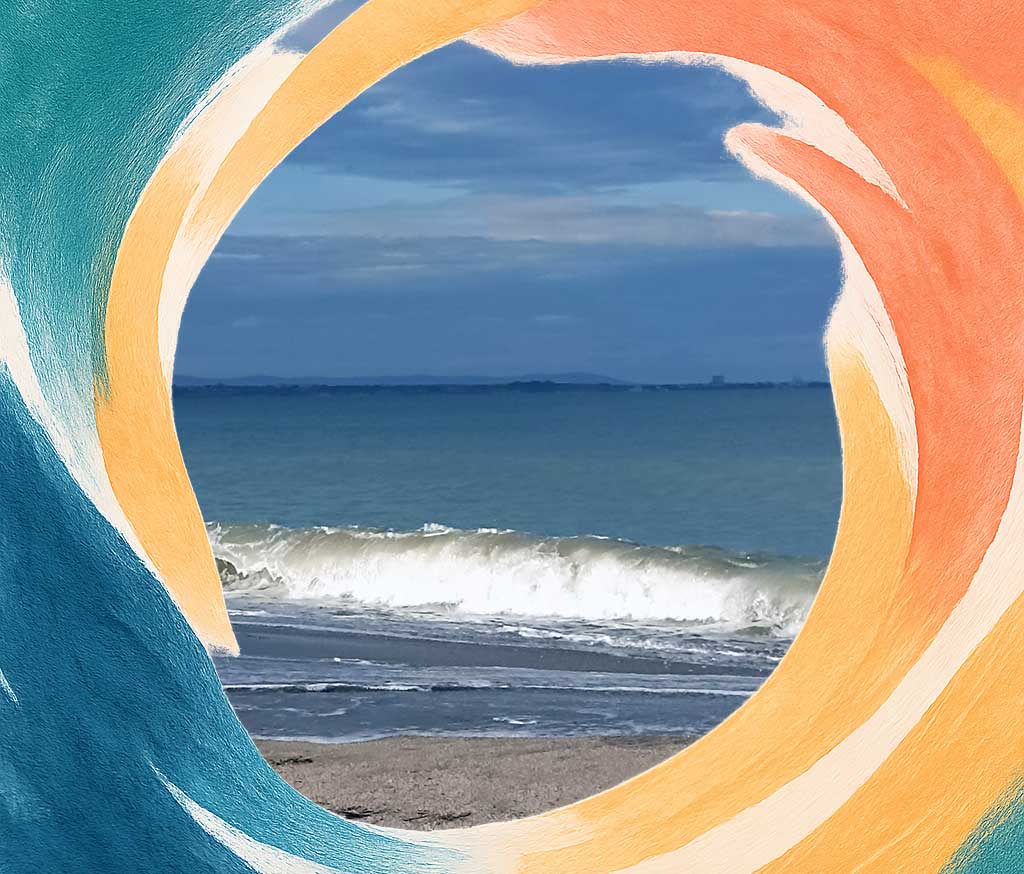
Tucked just a few kilometers north of central Burgas, Sarafovo Beach feels like a well-kept local secret that’s finally getting the recognition it deserves. With a wide, sun-drenched stretch of sand, gentle waves, and a laid-back vibe, it offers a refreshing alternative to the more crowded city beaches, especially if you’re craving space, sea breezes, and a bit of adventure.
Getting to Sarafovo is easy, whether you hop on a city bus or cruise in by car (paid parking is available nearby). If you’re in the mood for a more scenic journey, there’s also a dedicated bike lane that traces the coast all the way from Burgas’ Northern Beach, passing through the photogenic salt pans along the way. It’s a ride worth taking, especially as the scenery shifts from city to sea.
Sarafovo is known for its small, steady waves and reliable winds, ideal conditions that make it a hotspot for windsurfing, kitesurfing, and even paragliding. In fact, it’s often ranked among the best places on Bulgaria’s southern Black Sea coast for kitesurfing, drawing a devoted crowd of water sports lovers each season. The combination of the long beach, warm weather, and perfect wind conditions means that whether you’re a pro or just testing the waters, Sarafovo has plenty to offer.
But the beach is only half the story. Sarafovo itself has roots that stretch back to the early 20th century, when it was founded by refugees from Adrianople Thrace. The village got its name in 1929 from Engineer Sarafov, the man who first saw the area’s potential as a seaside resort. He mapped out wide boulevards, leafy parks, and solid infrastructure, and his vision still echoes in the quiet charm of the district today. Sarafovo remained a standalone village until 1987, when it officially became part of Burgas, though it still retains a distinct, easygoing character all its own.
The beach itself is covered in fine sand, similar in composition to nearby Pomorie, and in some spots it’s nearly black, a striking, mineral-rich blend packed with iron, manganese, and magnesium. These natural elements don’t just give the sand its unique color; they also absorb sunlight quickly, warming the beach and offering subtle therapeutic benefits that locals are happy to share.
Thanks to its sheltered position in Burgas Bay, the sea here stays pleasantly warm well into autumn. The water is calm and shallow near the shore, making it a safe and welcoming choice for kids and first-time swimmers.
Sarafovo Beach combines practical convenience with undeniable charm. Its close proximity to Burgas Airport makes it a favorite for travelers flying in, and its reputation for excellent water sports gives it year-round appeal. Whether you’re here for the adrenaline or just want to soak up the sun somewhere a little off the radar, Sarafovo delivers the best of both worlds.
Kraymorie Beach
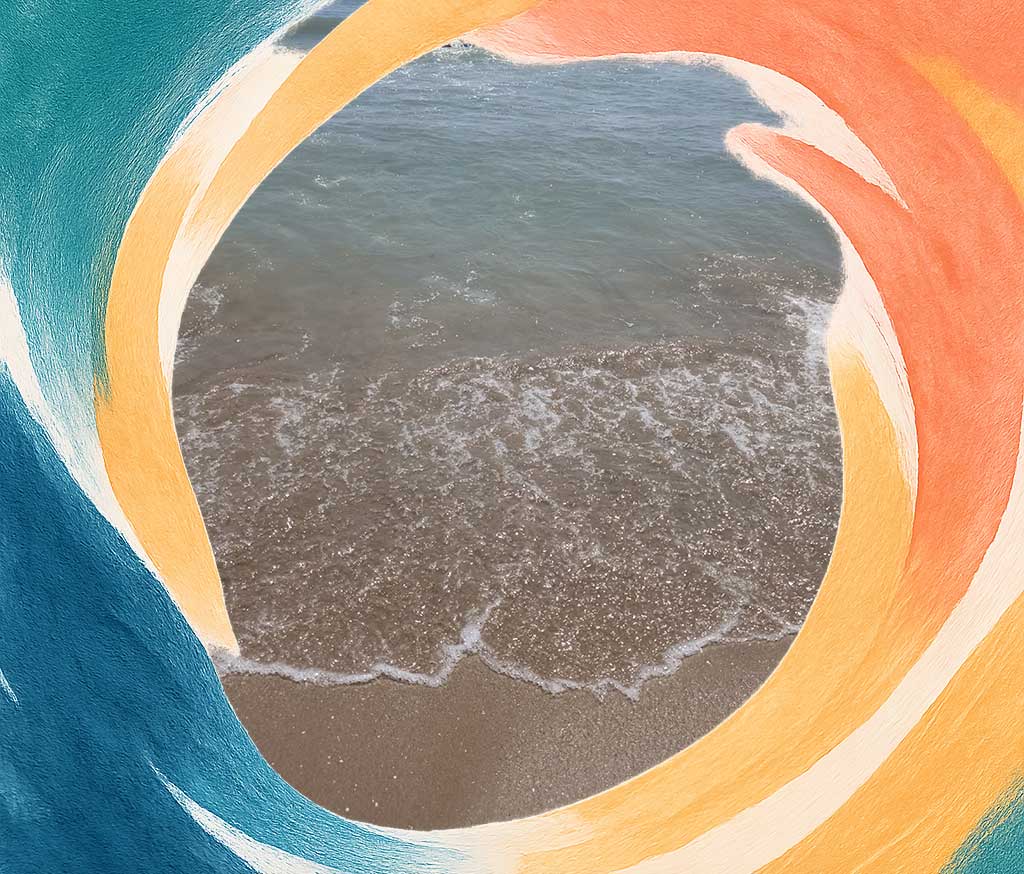
Head south of Burgas and you’ll stumble upon a place that feels like it exists in a slower, sunnier time zone. Kraymorie is the kind of beach that doesn’t shout, it whispers. With its peaceful stretch of sand and unhurried pace, it’s the perfect antidote to the city’s summer buzz.
Getting there is simple enough, hop on city bus line 17, or take the scenic drive yourself. Either way, once you arrive, you’ll find a charming, quiet neighborhood that feels more like a coastal retreat than a suburb. Kraymorie has long been cherished by families looking for a safe, calm spot for little ones to splash in the sea. But it’s also gaining popularity among travelers who prefer golden sunlight and a laid-back atmosphere over noisy beach bars and packed promenades.
Recent renovations have given the coastline a clean, modern edge without disrupting its relaxed character. You’ll still hear music playing from cozy beach bars and spot a few pop-up events in the summer, but the mood here is always gentle and unpretentious. Cocktail in hand, toes in the sand, you’ll quickly understand Kraymorie’s appeal.
What sets it apart from other areas around Burgas is the balance. While places like Sarafovo race ahead with construction, Kraymorie is taking a more thoughtful route: boutique homes, stylish gated complexes, and a touch of seaside elegance that never feels overdone.
Nature lovers are in for a treat too. The nearby salt lakes attract migratory birds, turning Kraymorie into a hidden gem for birdwatching. And with fewer crowds than the more famous beaches, there’s space here not just for towels and umbrellas but for peace and quiet.
Chengene Skele Beach
If you’re looking to add a little soul to your seaside adventure, make your way 15 kilometers south of Burgas to Chengene Skele. This tiny fishing village isn’t just a beach, it’s a story waiting to be discovered. You can arrive by boat (either by public ferry or private charter), or drive through the countryside to reach this living postcard of coastal heritage.
Chengene Skele, whose name translates to “Gypsy Port,” may be small, but its spirit is larger than life. In winter, only a handful of fishermen remain (just 50 or 60) but come summer, the village hums with life, laughter, and the clink of cutlery over homemade fish soup. If you’re lucky, one of the locals might invite you in for a bowl and a tale about the sea.
This place was built from scratch by people with saltwater in their veins. Back in 1972, when Burgas expanded its port, fishermen were forced to relocate, and they chose this quiet, undeveloped shore. With no electricity, no running water, but an abundance of fish, they built everything by hand: the homes, the streets, even the spirit of the village.
There’s poetry here too. The streets are named after the four winds, and the main road is proudly titled after Cannery Row, the John Steinbeck novel that celebrates fishing life. A humble bas-relief of the author sits near the entrance, placed there by the very fishermen who saw their own lives reflected in his pages.
Today, the original shacks still stand, weathered and charming, beside newer cottages that offer a touch more comfort. The recently built Chengene Skele Ethnographic Complex adds a cultural heart to the village, with a small museum, café, seafood restaurant, and a playground for kids. It’s not flashy, but it’s full of feeling and that’s its magic.
Chengene Skele isn’t just a place to swim and sunbathe. It’s a chance to slow down, connect with people, and be part of a story that’s still unfolding one boat, one wave, one warm bowl of soup at a time.
Otmanli (Rosenets) Park
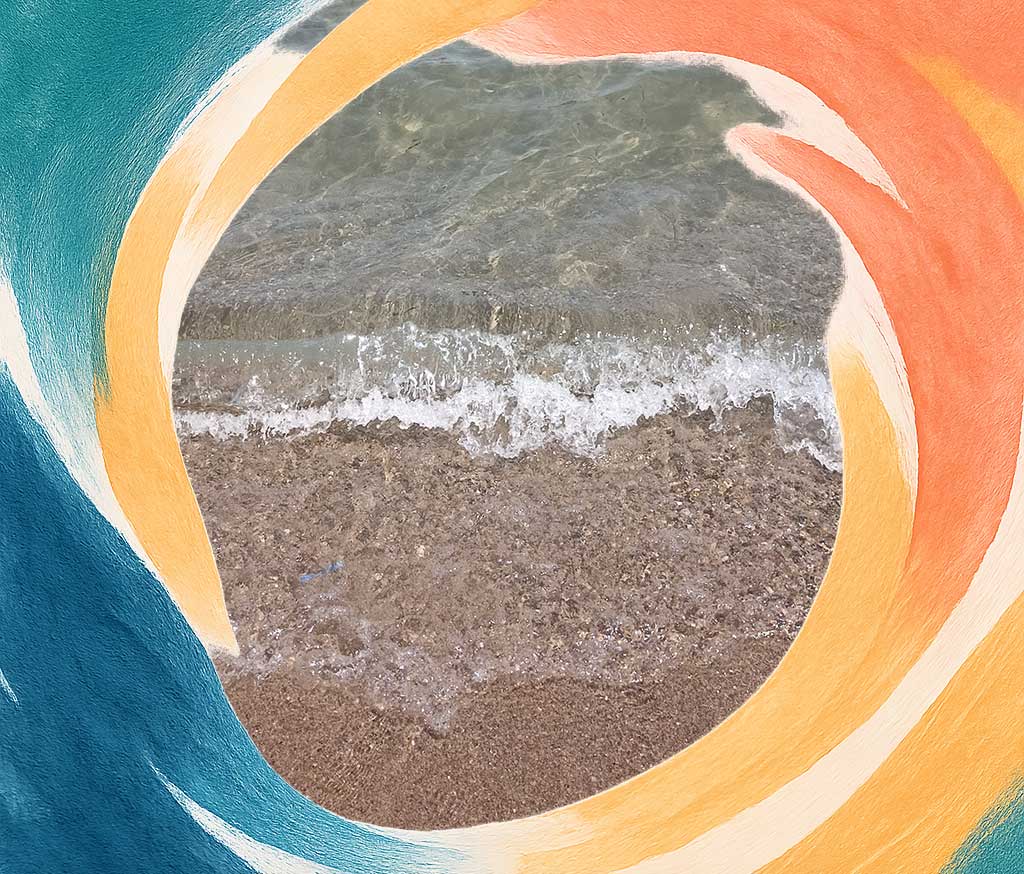
If your idea of a perfect beach day includes winding forest trails, secluded coves, and just the right touch of wild charm, then Otmanli Beach (also known as Rosenets) is calling your name. Tucked about 15 kilometers south of Burgas, this serene stretch of coastline offers a refreshing contrast to the city’s busier sands.
Getting there is surprisingly simple. You can hop on Burgas city bus No. 5 heading to Atia, or catch an intercity bus toward Sozopol. Both stop near Hizha Strandzha on the Burgas–Sozopol road, right at the turnoff for Rosen village. From there, it’s just a short walk into the park.
Otmanli is the historic name of Rosenets Park, a vast green expanse that blends mountain, sea, and forest in one unforgettable setting. The name comes from the Turkish “Otmanlı Dere” and hints at the area’s layered past. Bordered by the Strandzha Mountains on one side and the Black Sea on the other, it’s a haven for nature lovers, weekend wanderers, and anyone craving a peaceful escape.
The beach itself isn’t flashy or overdeveloped, which is exactly why people love it. Rosenets Beach has a laid-back, almost untouched vibe. There’s a mix of soft sand, a bit of clay and soil in spots, and calm waves lapping the shore. On windier days, the water might turn a bit murky, but the views more than make up for it, especially the breathtaking sight of St. Anastasia Island just 1.5 kilometers offshore, the closest point to the island from the mainland.
Unlike the commercial beaches dotted with loud bars and plastic loungers, Rosenets keeps things quiet. You’ll find a few beach bars and the occasional umbrella, but most of the charm comes from the setting itself: a forest-fringed bay, where luxury villas stand quietly beside abandoned bungalows, lending a slightly mysterious, nostalgic air to the place.
Rosenets Park is also a local favorite for picnics and forest walks. Just past the entrance, a wide, grassy meadow invites groups to fire up the barbecue pits, sprawl out at the picnic benches, or rally a game at the volleyball court. The park’s network of trails takes you deep into the woods, where you’ll stumble upon gazebos, scenic viewpoints, and shady spots perfect for a quiet afternoon nap.
There’s a natural rhythm here that feels far removed from city life, even though it’s just a short ride away. Whether you’re coming for a peaceful beach day, a family picnic, or just to wander through the trees and breathe in the sea air, Otmanli Beach has a way of making time slow down. And in a world that never stops rushing, that might just be its greatest luxury.
Honorable Mentions
Wild Eden: Poda Bird Sanctuary
A biodiversity jewel on the Via Pontica migration route, hosting 273+ bird species: from rose pelicans to stealthy herons. Walk hidden trails, spy through observation hides, and witness nature’s quiet spectacle.
Black Gold Harbor: Rosenets Oil Terminal: A colossal Cold War relic, built in 1963 to fuel communist industry. Today, its rusting pipelines and Lukoil tankers whisper tales of geopolitical chess where Russian oil once flowed freely, until war reshuffled the deck.
The Untouchable’s Lair: Dogan’s Saray: Bulgaria’s Most Controversial Beachfront Estate is a guarded palace for a political kingmaker. Once home to Ahmed Dogan, ex-spy, party boss, and master of backroom deals, this compound symbolizes Bulgaria’s unpunished elite. Peek through its gates (if you dare).
Warship Shadows: Burgas Naval Base: Camouflaged patrol boats, restricted docks, and Cold War secrets. Though off-limits, its presence looms, a reminder of Bulgaria’s strategic dance between East and West.
Forbidden Shore: Vromos Bay: A postcard-perfect cove with a dark past: radioactive waste from old uranium mines lurks beneath its sands. Locals shrug; scientists fret.
You can read more about these in our article dedicated to the forbidden and controversial zones in Burgas: